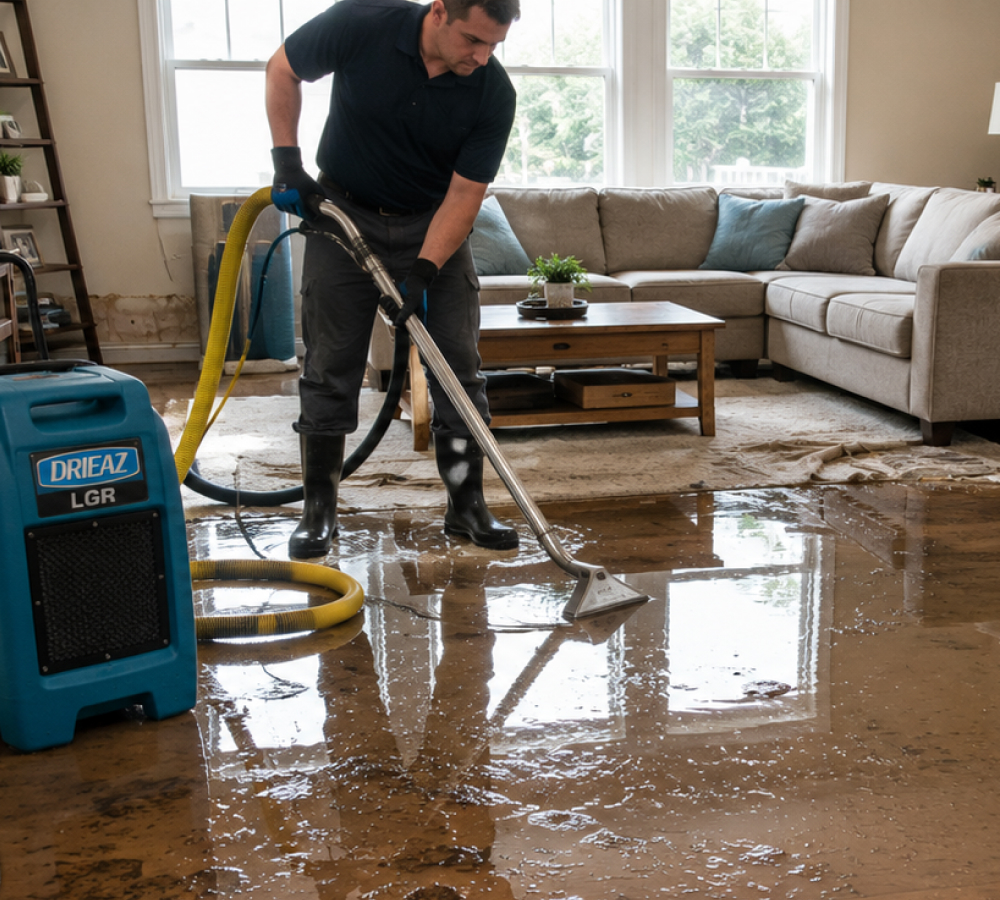
Floodwater slips under floors, climbs drywall, swells trim, and hides where towels and fans cannot reach. Bring in The Best Restoration crew that follows the water past the obvious mess, under flooring, behind trim, into wall edges, and gets the damage under control before it becomes a bigger repair.
Flood damage is a prevalent concern that can wreak havoc on both residential and commercial properties, particularly in areas like North Central Florida and Gainesville, FL, prone to heavy rains, hurricanes, and flooding.
When confronted with flood damage, immediate action is paramount to halt further deterioration of property and possessions. This guide explores the causes and repercussions of flood damage in the region, emphasizing the importance of timely interventions. Additionally, it highlights how The Best Restoration & Floor Care offers expert assistance in promptly and effectively resolving flood damage issues.
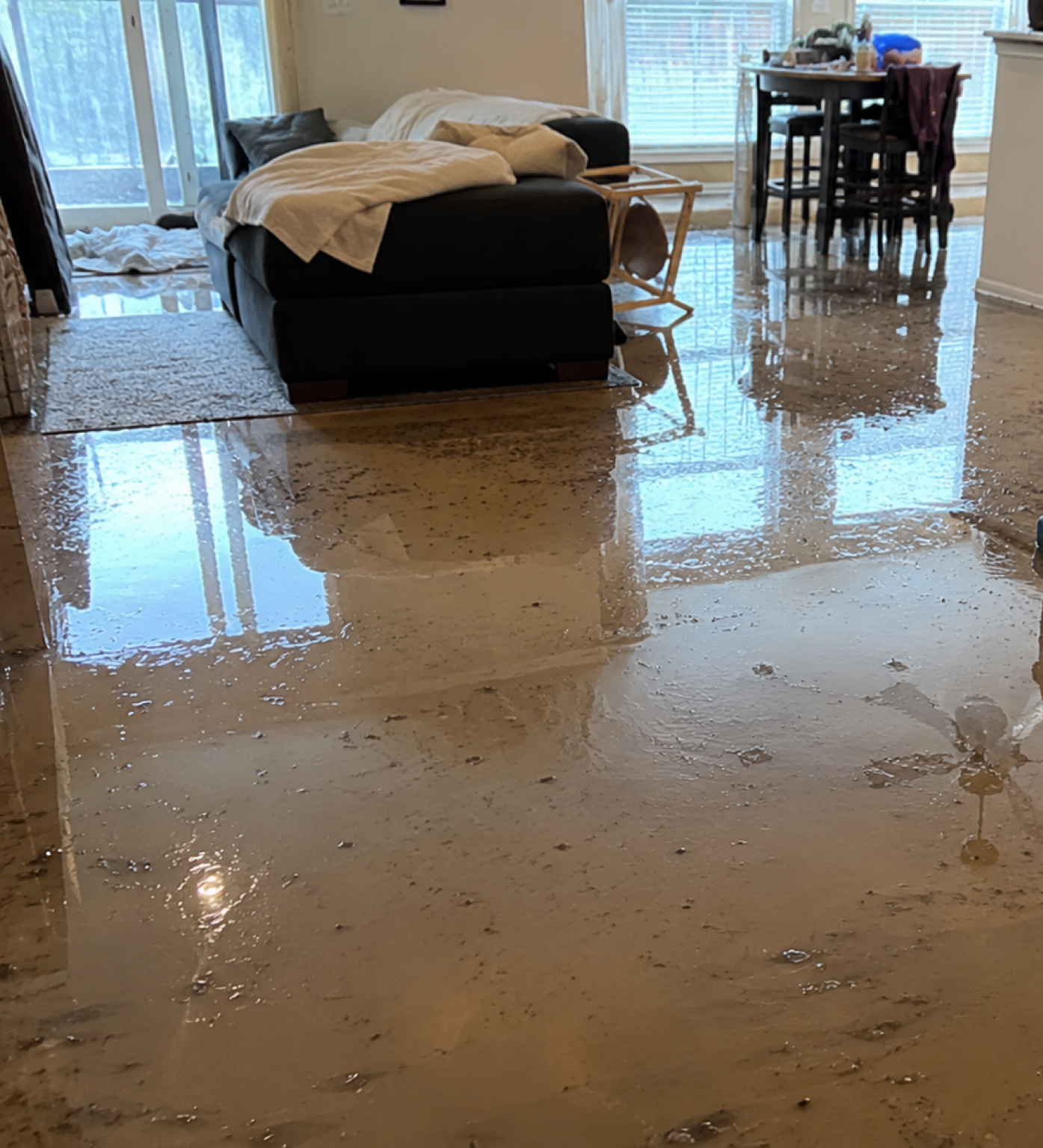
A flooded room can look contained while moisture is already traveling through seams, nail holes, grout lines, drywall edges, cabinet bases, and subfloor layers.
That movement is driven by capillary pull, absorbent materials, and humidity. In Gainesville’s climate, wet building materials can hold moisture longer, especially when the air is already heavy with vapor. Fans may move air, but they do not remove the moisture load.
What Property Owners Often Miss:
Before stains, swelling, or odor become the first visible warning, get the hidden moisture checked.
North Central Florida, encompassing Gainesville and its environs, encounters diverse weather phenomena that contribute to flood damage. From torrential rainfall to tropical storms and hurricanes, the region faces significant water-related challenges. Furthermore, factors like burst pipes, roof leaks, and malfunctioning appliances can exacerbate flood damage in both residential and commercial settings.
Common Water Entry Points:
Effects of Flood Damage
Flood damage inflicts severe repercussions on properties, ranging from structural deterioration to mold proliferation and harm to personal belongings and furniture. Prolonged exposure to floodwaters weakens building materials, resulting in structural instability and necessitating costly repairs. Mold growth, a common aftermath of flood damage, poses health hazards to occupants and compounds property damage over time.
What Water Can Damage First:
Importance of Timely Flood Damage Cleanup
Timely flood damage cleanup is imperative to limit the extent of damage and forestall further complications. Swift action can mitigate structural harm, prevent mold infestation, and salvage valuable possessions. Procrastination in addressing flood damage escalates restoration expenses, extends displacement periods, and exacerbates health risks posed by mold and mildew.
Why the First Day Matters:
Before cleanup starts, the water source has to be understood. A broken supply line, storm surge through a doorway, and sewage backup can leave very different moisture, contamination, and material-removal concerns.
Flood Cleanup Services:
The Best Restoration & Floor Care team provides emergency flood cleanup services to swiftly remove standing water from affected properties. Utilizing cutting-edge equipment and expertise, their proficient technicians efficiently extract water, minimizing further property damage.
Deeper water in garages, units, low rooms, and interior floor areas is removed with extraction and pump-out equipment. Removing bulk water first helps reduce pressure on porous materials and limits how much moisture can continue soaking into the structure.
Detecting concealed moisture is essential for thwarting future mold growth and structural issues. We utilize advanced moisture detection tools to pinpoint moisture pockets within walls, floors, and ceilings, facilitating targeted drying and restoration efforts.
A moisture map shows how far water traveled from the source. This helps technicians separate affected areas from unaffected areas and build a drying plan based on actual readings instead of visual guesswork.
After extraction, moisture continues evaporating into the indoor air. Dehumidification helps lower the vapor load so wet materials can release moisture more efficiently and the drying environment stays under control.
Following water extraction, thorough drying of the impacted area is imperative to prevent mold growth and structural deterioration. We employ industrial-grade dehumidifiers and air movers to thoroughly dry the structure, fostering a safe and healthy indoor environment.
Temperature, relative humidity, grain depression, and drying conditions are tracked during the job. These readings help confirm whether the environment is improving or whether equipment placement needs adjustment.
Air movers and dehumidifiers are positioned based on room size, saturation level, airflow path, and material type. Proper placement helps avoid dead zones where moisture can remain trapped.
Carpet and padding are evaluated for saturation, water category, odor, staining, and drying potential. In some cases, carpet may be salvageable; in others, wet pads or contaminated materials may need removal.
Moisture can stay trapped below tile, laminate, vinyl, carpet, or wood flooring. Subfloor checks help identify water held beneath the visible surface before swelling, odor, or adhesive failure appears.
Drywall can wick moisture upward from the floor line, while baseboards may hide wet edges. Inspecting these areas helps determine whether drying is possible or whether selective removal is needed.
Cabinet bases and toe-kick areas often restrict airflow and trap moisture. These tight spaces are checked carefully because hidden dampness can lead to swelling, odor, and microbial concerns.
When flooding involves stormwater, sewage, drain backups, debris, or unknown water sources, the cleanup plan changes. Safety, material removal, cleaning, and protective measures are adjusted to match the contamination risk.
Materials that are heavily saturated, contaminated, deteriorated, or unable to dry safely may need to be removed. Selective removal helps expose hidden moisture and supports a cleaner, more controlled drying process.
Affected floors, walls, baseboards, and non-porous surfaces are cleaned after water contact and debris exposure. This helps remove residue left behind by floodwater, soil, and disturbed building materials.
When conditions call for microbial-risk control, appropriate antimicrobial treatments may be applied to affected surfaces. This is typically used after cleaning and material removal decisions have been made.
Mold proliferation is a common aftermath of flood damage and poses significant health risks to occupants. The Best Restoration & Floor Care team delivers mold remediation services to safely and effectively eliminate mold, restoring the property to its pre-damage condition.
Flood odors often come from damp materials, trapped organic residue, contaminated water, or moisture hidden in enclosed spaces. Odor control targets the source instead of simply covering smells with fragrance.
Flood damage often devastates personal belongings, furniture, and valuables. We offer content restoration services to salvage and revive damaged items, encompassing furniture, electronics, documents, and more.
Flood damage often devastates personal belongings, furniture, and valuables. We offer content restoration services to salvage and revive damaged items, encompassing furniture, electronics, documents, and more.
Severe flood damage may necessitate structural repairs to uphold the building’s integrity. The Best Restoration & Floor Care team provides comprehensive structural repair solutions, including drywall replacement, flooring repair, and structural reinforcement, ensuring the property’s stability and safety.
Photos, moisture readings, equipment records, material notes, and cleanup details are organized for property owners, managers, and claim conversations. Clear documentation helps show what was affected, what was done, and why specific cleanup steps were needed.
Flood damage is a significant concern demanding urgent action and specialized expertise. In North Central Florida and Gainesville, FL, The Best Restoration & Floor Care stands as the trusted provider of dependable and efficient flood damage cleanup services. Their team of skilled professionals is accessible round-the-clock, delivering a comprehensive suite of solutions to promptly tackle flood damage issues and return properties to their pre-damage state.
Don’t delay; reach out to The Best Restoration & Floor Care team for immediate flood damage cleanup services in North Central Florida and Gainesville, FL.
Flood cleanup is a controlled drying process. Water moves through porous materials, evaporates into the air, and can stay trapped when humidity is high. We use extraction, airflow, dehumidification, moisture readings, and job documentation to guide each step.
We identify the source, affected rooms, water depth, possible electrical risks, and whether the water may involve stormwater, sewage, or other contaminants.
The cleanup plan changes based on what the water touched. Clean supply-line water, stormwater, and sewage-affected water require different safety and material decisions.
Moisture meters help locate wet areas behind baseboards, under flooring, inside drywall edges, and around cabinets where surface drying can be misleading.
Standing water is removed first to reduce saturation pressure and limit how far moisture can migrate into porous materials.
Carpet pad, drywall, trim, insulation, cabinets, and subfloors are checked for saturation, contamination risk, swelling, and whether they can be dried safely.
Air movers increase evaporation while dehumidifiers lower the vapor load in the air. Equipment is placed based on airflow path, material type, and moisture level.
Temperature, humidity, and material moisture readings are monitored so the drying plan can be adjusted instead of being assumed.
Affected areas are cleaned, odor sources are addressed, and photos, readings, notes, and equipment details are organized for the property owner or claim file.
Water Damage Emergency? Prompt water removal is essential to prevent significant damage to your home’s structure and belongings. Whether you’re dealing with water leakage, burst pipes, or flooding, quick action is crucial. Don’t hesitate to contact us for immediate assistance with water removal and cleanup services. Reach us at (352) 505-3321 for emergency water removal services.
Call the Professionals at The Best Restoration- Day or Night, Seven Days a Week. Your local, family-owned water extraction, clean-up, and restoration company in Gainesville, Florida.
We provide emergency services 24/7; we’re the ones to call when disaster strikes. We offer fast, friendly, and convenient scheduling when you need it the most!
Floodwater does not affect every property the same way. The cleanup plan changes based on flooring layers, wall materials, access, contents, occupants, business use, and how long moisture has been trapped.
Water can move from one room into baseboards, cabinets, flooring layers, and furniture before the damage is obvious.
Moisture can travel into shared walls, ceilings, hallways, neighboring units, and stacked plumbing areas.
Flood damage can delay move-ins, create tenant concerns, and require clear photos, notes, and drying records.
Managers need fast updates, documented conditions, and cleanup decisions that help reduce vacancy time.
Wet carpet, drywall, wiring areas, furniture, and equipment zones can interrupt work and create odor or air-quality concerns.
Flooding can affect display areas, inventory, flooring, checkout zones, and customer access.
Water near tile, drains, kitchen equipment, storage areas, and sanitation zones may require careful contamination review.
Floodwater can spread across large floor areas, affect stored goods, create slip hazards, and slow operations.
Moisture can travel through corridors, wall cavities, utility areas, and flooring systems before teams notice the full spread.
After a flood, you need more than a crew with equipment. You need a local team that understands water movement, drying conditions, material risk, and the documentation property owners rely on.
Why People Choose The Best Restoration:
Local crews familiar with North Central Florida’s rain, humidity, storm patterns, and property types.
Trained cleanup guided by recognized water-damage restoration standards and drying principles.
We look beyond visible water to check floors, walls, trim, cabinets, and hidden wet zones.
Flood cleanup is planned with mold risk in mind, especially when materials stay wet.
Humidity, temperature, airflow, and material moisture help guide the cleanup, not guesswork.
Photos, notes, moisture readings, and equipment details help support the owner, manager, and claim conversations.
Cleanup support for homes, apartments, rentals, offices, retail spaces, and managed properties.
Fast updates, practical documentation, and cleanup coordination for occupied units and turnover deadlines.
Need flood cleanup you can understand, track, and document? Call The Best Restoration.
Don’t take our word for it. Read what our customers have to say!

 Jamie Pritchett
Trustindex verifies that the original source of the review is Google.
Best Restoration is fantastic and worked with me to schedule and complete the work required quickly! The repairs were completed and the quality of the work was excellent! Highly recommended! Mark RoccoIsaiah, Roger, and Jalen were so awesome. Legends in the scene...
 Tami ArmstrongThe Best Restoration Team helped us coordinate multiple projects at once and completed it all efficiently and exactly as we had asked for. We'll definitely use them again for our next project.
 Gainesville LodgeGreat job and super friendly staff! We highly recommend them for all of your restoration needs!
 ChrisGreat service and reasonable prices. The two gentlemen who cleaned my carpets and kitchen tile floor were very nice and did a great job.
 Emily BaldWhere to begin!? About a month ago, a water leak destroyed the floors throughout much of our house, and we couldn't be happier with The Best Restoration. They took care of the water damage mitigation, packing, demo, and new flooring installation. Every single person we interacted with was incredible--kind, empathetic, professional, efficient--but we were especially amazed by Rodger's dedication, communication, and leadership. He went above and beyond for us time and again and made this entire process as quick and stress-free as possible. When his team was tied up with other projects one day, he came at 6:00 p.m. on a Friday evening to wrap up the leak mitigation and haul out the equipment himself just to make sure we could have a quiet weekend without the fans. He then planned most of the demo and floor installation for the week of our planned vacation, and took care of absolutely everything while we were gone--hunting down the closest match to our original flooring that could be found anywhere from Gainesville to Ocala and sending photos and videos of the team's progress to keep us in the loop. Rodger is exceptional, as is the team under his leadership. We certainly aren't *planning* to have another house-related catastrophe in the near future, but it's comforting to know that if we do, there's such an outstanding team ready to help.
 Alice HolmesFast, efficient and reasonably priced
Gainesville-area flooding can come from heavy rain, tropical weather, roof leaks, slab moisture, drainage issues, or plumbing failures. The Best Restoration team helps homes, rentals, apartments, businesses, and managed properties remove water, dry materials, and reduce mold risk.
If it is safe, stop the source and stay away from water near outlets, cords, appliances, or breaker panels. Then call for cleanup before moisture moves farther into floors, walls, and trim.
Not always, but it should be treated carefully until the source is known. Stormwater, sewage, groundwater, and water that touches dirty surfaces can carry bacteria, debris, chemicals, or organic matter.
No. Flood damage often hides before it shows. Drywall can wick moisture upward, carpet pad can stay soaked, and cabinets can trap damp air at the base.
Mold risk increases when wet materials stay damp. The first 24-48 hours matter because moisture, warmth, drywall paper, wood, dust, and organic residue can create favorable growth conditions.
Fans move air, but they do not remove vapor from the room. Professional drying uses airflow plus dehumidification to pull moisture from materials and lower indoor humidity.
Technicians use moisture meters and mapping methods to check flooring layers, baseboards, drywall edges, cabinets, and other areas that may look dry but still hold moisture.
It depends on the water source, contamination level, time wet, pad condition, odor, and whether the carpet can be extracted and dried safely. The pad is often the bigger concern.
Musty odor usually means moisture is still trapped somewhere. Damp porous materials, organic residue, carpet pad, wall cavities, or cabinet bases can hold odor even after the surface looks dry.
Yes. Job notes, photos, moisture readings, equipment details, and affected-area records can help owners, managers, and claim representatives understand what happened and what work was performed.
Yes. The Best Restoration team helps homes, apartments, student rentals, offices, retail spaces, managed properties, and commercial buildings across Gainesville and surrounding areas.
Do not treat it like a normal leak. Backup water may carry contaminants, so the cleanup plan may require added safety measures, material removal, cleaning, and odor control.
Drying should be tracked, not guessed. Moisture readings, humidity levels, temperature, airflow, and material conditions help confirm whether the property is moving toward a dry, stable condition.
Floodwater can move under floors, into wall edges, behind trim, and beneath cabinets before the damage is visible. Call The Best Restoration team for fast flood cleanup in Gainesville, Alachua County, and nearby North Central Florida communities.
Call now for emergency flood response and restoration.