
Mold doesn’t stay in one place. It spreads through walls, gets into your HVAC system, and affects the air your family breathes every day.
We find it, contain it, remove it, and fix the moisture problem that caused it – so it doesn’t come back in three months. IICRC certified, EPA compliant.
We’ll call you back within 24 hours to schedule.
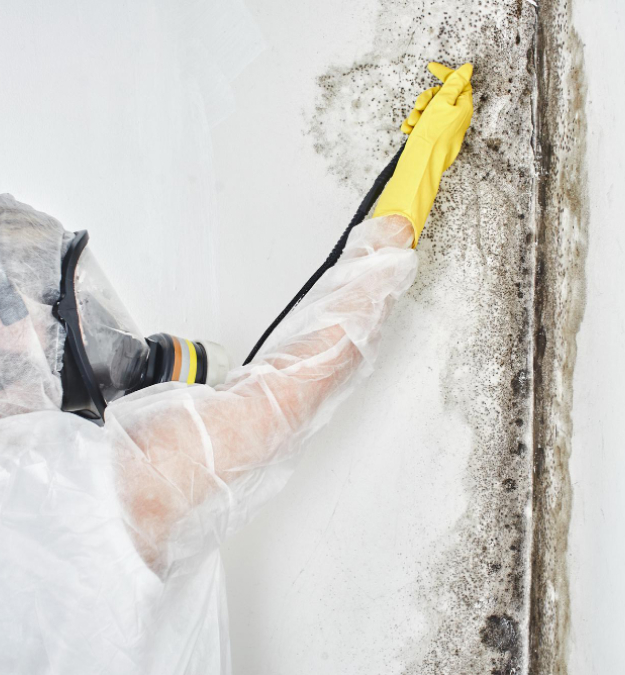
Micanopy’s humidity is high year-round. When you add Florida’s summer storms, aging homes, crawl spaces, and the area’s naturally high water table near Paynes Prairie – you get conditions where mold doesn’t just grow, it thrives.
Mold only needs two things: moisture and a surface to attach to. It gets into walls within 24 to 48 hours of a water event. It grows in crawl spaces without anyone noticing for months. It travels through HVAC ducts and spreads to rooms that never had water damage.
⚠️ Bleaching visible mold doesn’t fix the problem. It kills what’s on the surface but leaves the root structure (hyphae) alive inside the material – and doesn’t touch the mold you can’t see.
We do this properly – find the moisture source, contain the affected area, remove mold to IICRC S-520 standards, treat surfaces, and fix what let the moisture in. That’s the only way to make sure it doesn’t come back.
Mold is often hidden – inside walls, under floors, in crawl spaces. Here’s what to look and listen for before it becomes a bigger problem.
If a room smells musty – especially after rain or in humid weather – there’s mold somewhere nearby. It may not be visible, but the smell is the mold releasing spores into the air you’re breathing.
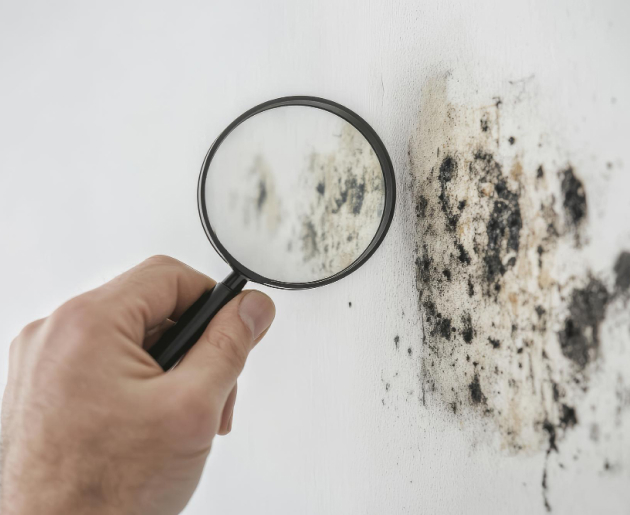
Dark, discolored patches – especially in corners, around windows, near vents, or on bathroom ceilings – are a clear sign of mold growth. Even small patches indicate a larger problem behind the surface.
Sneezing, runny nose, itchy eyes, or worsening asthma that improves when you leave the house and comes back when you return – that pattern is a strong sign of mold affecting your indoor air quality.
Any water event – burst pipe, roof leak, flood, appliance overflow – that wasn’t dried out professionally within 24 to 48 hours has almost certainly left mold behind, whether you can see it or not.
Paint bubbling off walls, wallpaper peeling, floorboards warping or soft spots underfoot – these are signs of moisture trapped inside materials, which creates the perfect environment for mold to grow.
If you’ve cleaned visible mold and it keeps coming back in the same spot, the root cause hasn’t been addressed. Surface cleaning doesn’t remove the mold structure inside the material or fix the moisture source feeding it.
Five steps – done to IICRC S-520 standard so the mold is gone, not just hidden.
We inspect visible and hidden areas – walls, crawl spaces, HVAC – using moisture meters to find where mold is growing and why.
We seal off affected areas with plastic sheeting and negative air pressure so mold spores don’t spread to unaffected parts of your home during removal.
Mold-affected materials are removed safely. Surfaces are treated with EPA-approved antimicrobial agents that kill mold at the root – not just on the surface.
Mold comes back if the moisture problem isn’t fixed. We identify and address the source – whether it’s a leak, poor ventilation, or high humidity – before we close anything up.
Damaged materials are replaced, the area is cleaned, and we confirm the space is mold-free before we call the job done.
Mold removal done wrong just delays the problem. Here’s why getting it right the first time matters.
IICRC S-520 is the industry standard for mold remediation. We follow it. That means proper containment, correct removal methods, EPA-approved treatments, and documentation you can show your insurance company or a future buyer of your home.
Mold is a symptom. The cause is moisture. We find where the moisture is coming from – a slow roof leak, a humid crawl space, poor bathroom ventilation – and address it. If you don’t fix the source, the mold comes back.
The humidity, the older housing stock, the crawl spaces near the water table, the HVAC systems that run year-round – we know what drives mold growth in Micanopy specifically and how to address it properly for this climate.
Once mold is gone, whatever it damaged – drywall, flooring, insulation – needs to be repaired. We do the full repair in-house. You don’t need to find a second contractor and explain the situation all over again.
Don’t wait – mold spreads fast in Florida’s humidity. The sooner it’s contained, the less damage it does. Call us for a free inspection.
Mold grows wherever moisture does. We remove it from every type of property.
A mold-free home is a healthier home. We remove mold safely and fix what caused it – so your family isn’t breathing contaminated air.
Mold in a rental unit is a liability. We document every step of the removal – protecting you, your tenants, and your property value.
Mold affects indoor air quality and can force a closure. We remediate quickly and professionally so your business stays open and safe.
Mold in one unit can affect neighboring units through shared walls and HVAC. We assess and remediate the full scope – not just what’s visible in one apartment.
Employees spending eight hours a day in a moldy office is a health and productivity problem. We remove mold thoroughly and restore a clean, safe workspace.
Mold triggers allergies, worsens asthma, and in some cases causes serious respiratory illness. If health concerns are driving the call, we take it seriously and act fast.
Mold almost always has a water damage story behind it. Here’s what we handle as part of the same team.
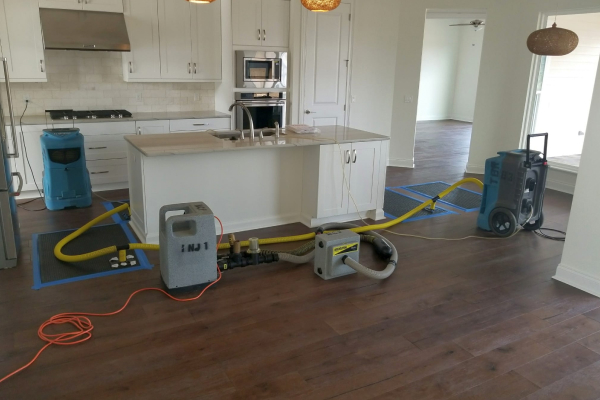
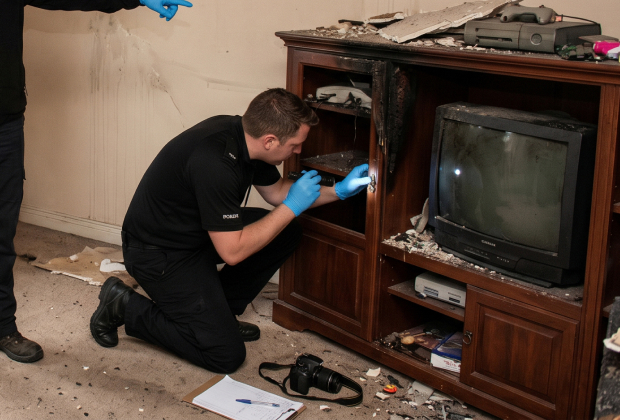
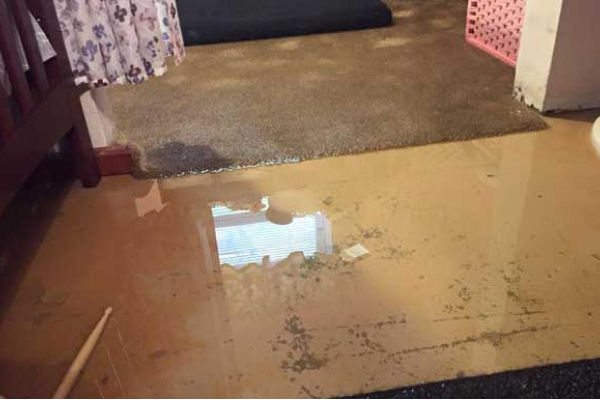
Jorge Villalobos started this company in Gainesville with one truck and a goal – be the restoration company this area could actually trust.
He came from Colombia, built his expertise in the local cleaning and restoration industry, and saw a clear problem: mold kept coming back for homeowners because the root cause was never addressed. Surface cleaning, bleach spray, call it done – and three months later the mold was back.
So he built a team trained to do it right. IICRC certified, EPA compliant, with the equipment and knowledge to find hidden mold, remove it completely, and fix the moisture problem that caused it. Today that team runs nine trucks and serves Micanopy and all of North Central Florida.
Real reviews from Micanopy and Alachua County – including customers who called us for mold work.

 Jamie Pritchett
Trustindex verifies that the original source of the review is Google.
Best Restoration is fantastic and worked with me to schedule and complete the work required quickly! The repairs were completed and the quality of the work was excellent! Highly recommended! Mark RoccoIsaiah, Roger, and Jalen were so awesome. Legends in the scene...
 Tami ArmstrongThe Best Restoration Team helped us coordinate multiple projects at once and completed it all efficiently and exactly as we had asked for. We'll definitely use them again for our next project.
 Gainesville LodgeGreat job and super friendly staff! We highly recommend them for all of your restoration needs!
 ChrisGreat service and reasonable prices. The two gentlemen who cleaned my carpets and kitchen tile floor were very nice and did a great job.
 Emily BaldWhere to begin!? About a month ago, a water leak destroyed the floors throughout much of our house, and we couldn't be happier with The Best Restoration. They took care of the water damage mitigation, packing, demo, and new flooring installation. Every single person we interacted with was incredible--kind, empathetic, professional, efficient--but we were especially amazed by Rodger's dedication, communication, and leadership. He went above and beyond for us time and again and made this entire process as quick and stress-free as possible. When his team was tied up with other projects one day, he came at 6:00 p.m. on a Friday evening to wrap up the leak mitigation and haul out the equipment himself just to make sure we could have a quiet weekend without the fans. He then planned most of the demo and floor installation for the week of our planned vacation, and took care of absolutely everything while we were gone--hunting down the closest match to our original flooring that could be found anywhere from Gainesville to Ocala and sending photos and videos of the team's progress to keep us in the loop. Rodger is exceptional, as is the team under his leadership. We certainly aren't *planning* to have another house-related catastrophe in the near future, but it's comforting to know that if we do, there's such an outstanding team ready to help.
 Alice HolmesFast, efficient and reasonably priced
Things people ask us most – answered plainly.
Bleach kills surface mold but not the root structure - called hyphae - that grows inside the material. So the visible mold dies, but the colony underneath stays alive and regrows. Bleach also doesn't penetrate porous materials like drywall or wood effectively. And it does nothing about the moisture causing the mold in the first place. For small surface mold on non-porous areas like tile, cleaning yourself is reasonable. For anything growing inside walls, on drywall, in crawl spaces, or returning repeatedly after cleaning - professional remediation is the only actual fix.
Florida's humidity is consistently high, and Micanopy specifically sits near Paynes Prairie with a naturally elevated water table. Mold only needs moisture, warmth, and a surface - and it has all three here year-round. Florida summers add intense heat and frequent storms, which create water intrusion opportunities. The older housing stock in Micanopy - with crawl spaces, aging plumbing, and sometimes inadequate ventilation - gives mold many entry points and places to grow unseen for months. We've seen mold fill an entire crawl space in a single wet season.
The most reliable signs are a persistent musty smell (especially in one room), health symptoms that improve when you leave and worsen when you return, visible water staining on walls or ceilings, or a history of water damage in the area. We use moisture meters and thermal imaging cameras to detect moisture inside walls without cutting them open - finding mold before it's visible on the surface. If you had any water event in the last year that wasn't professionally dried, an inspection is a good idea.
A small, contained area of surface mold can be remediated in a day. A more extensive issue - mold inside walls, in a crawl space, or spread through multiple rooms - typically takes 3 to 5 days for full remediation including containment, removal, treatment, and drying. If repairs are needed after (replacing drywall, flooring, etc.), that adds additional time. We give you a realistic estimate after the initial inspection and stick to it.
Yes - the severity depends on the type of mold, the amount, and how long people have been exposed. Common symptoms of mold exposure include chronic sneezing, nasal congestion, itchy eyes, skin irritation, coughing, and worsening asthma. Long-term or heavy exposure can cause more serious respiratory issues. Children, elderly people, and anyone with existing respiratory or immune conditions are more vulnerable. If you suspect mold, getting it checked quickly is the right call - especially if anyone in your household has been experiencing unexplained symptoms.
It depends on what caused the mold. If mold resulted from a sudden, covered event - like a burst pipe or storm damage - your homeowner's insurance may cover the remediation. If it resulted from long-term neglect, a slow undetected leak, or high humidity over time, coverage is less likely. We document our findings thoroughly, including photos, moisture readings, and cause assessment - which helps you build the strongest possible case with your insurer.
IICRC S-520 is the professional standard for mold remediation - it covers inspection protocols, containment requirements, removal methods, personal protective equipment, and post-remediation verification. When a company follows S-520, it means they're using methods that are actually effective and safe - not guessing. It also means their work is documentable for insurance purposes and for future property sales. We're IICRC certified and follow S-520 on every mold job. When someone asks whether the mold was removed properly, we can show them exactly how.
Yes - crawl space mold is one of the most common calls we get in Micanopy. Many homes here have open or poorly sealed crawl spaces that collect groundwater and condensation - creating ideal mold conditions that homeowners don't discover until the problem is extensive. We access crawl spaces with the right equipment, remove the mold properly, treat the framing, and can install vapor barriers to reduce future moisture intrusion. Crawl space mold left untreated weakens structural wood over time and causes health problems for the people living above it.
Yes - and this is one of the most serious ways mold affects a home. Once mold gets into the HVAC system, every time the air conditioning runs it pushes mold spores into every room in the house - including rooms that had no water damage. Signs of mold in your HVAC include a musty smell when the AC kicks on, visible dark spots around vents, or worsening allergy symptoms throughout the home. We inspect HVAC systems as part of our mold assessment and coordinate cleaning when mold is found inside ductwork.
Technically, mold removal means physically taking the mold out. Mold remediation is the full process - inspection, containment, removal, treatment, moisture source repair, and restoration. Complete remediation is what actually solves the problem. "Mold removal" on its own, without addressing the cause, is why mold keeps coming back for so many homeowners. When we say mold remediation, we mean the full process - not just spraying something on the wall and calling it done.
Fill out the form or call us directly. We’ll schedule a free inspection and tell you honestly what you’re dealing with and what it’ll take to fix it.