
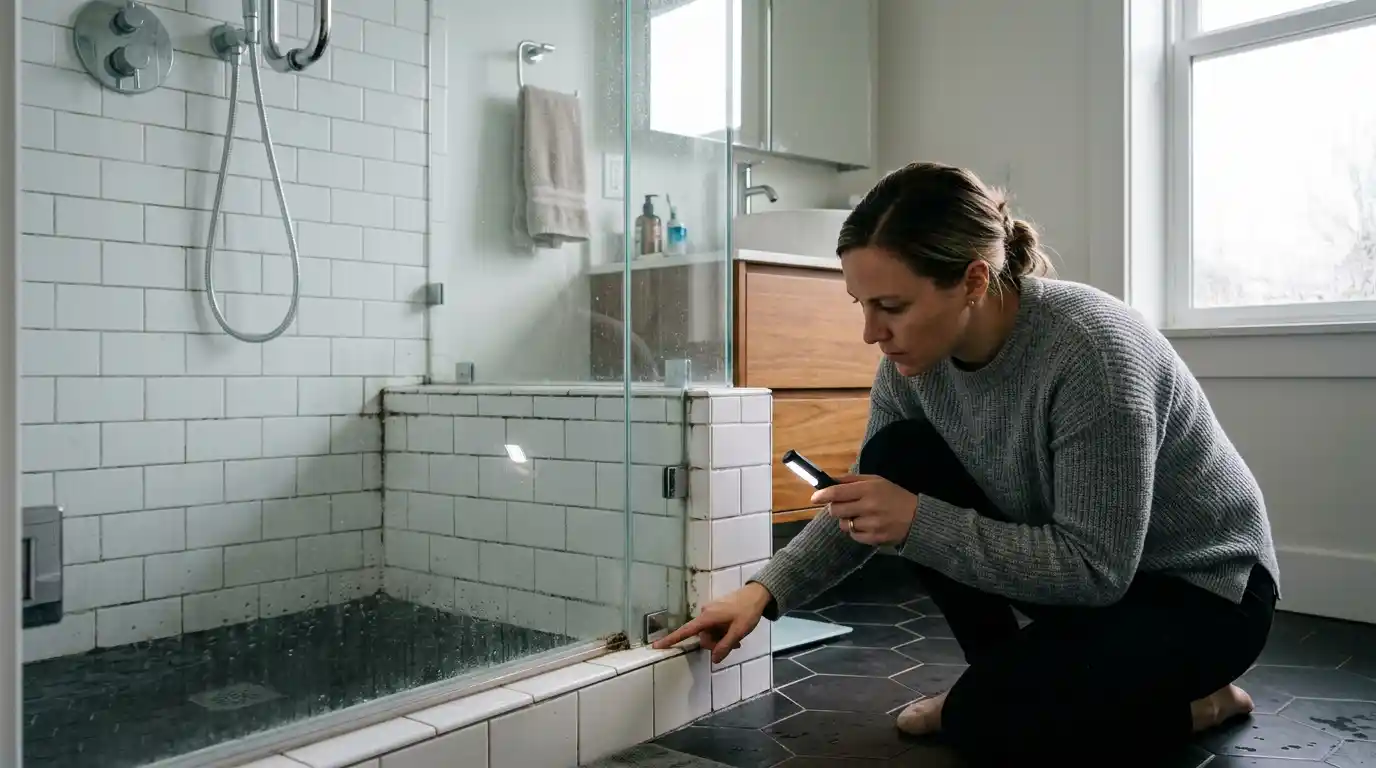
Gainesville properties take on moisture from more than storms. Summer humidity, heavy rain, wet entryways, bathroom steam, appliance leaks, and HVAC condensation can all keep tile and grout damp longer than expected.
That matters because grout is more porous than most tile surfaces. It can absorb moisture, hold residue, and show mildew warning signs before nearby walls or floors look damaged.
North Central Florida homes, rentals, apartment communities, and commercial spaces often rely on tile in bathrooms, kitchens, laundry rooms, lobbies, hallways, and break rooms. Those areas see water, foot traffic, cleaning products, and seasonal humidity at the same time.
A pre-summer tile and grout check can help you catch mildew, stains, leaks, and hidden moisture before cleanup becomes more disruptive.
Why Summer Humidity Makes Grout Problems Easier to Miss
How humid weather can hide early grout damage until stains, odor, or moisture problems become harder to control.
Grout absorbs moisture faster than tile
The tile may look dry while the grout stays damp. That happens because grout lines can absorb spills, shower water, mop water, and humidity. Once residue settles into the pores, the surface may darken or feel sticky.
This is why tile and grout cleaning in Gainesville belongs in a seasonal property-care plan. Clean grout is easier to inspect. Dirty grout hides cracking, discoloration, mildew, and water intrusion signs.
Humidity slows drying after daily use
Bathrooms, kitchens, laundry rooms, and commercial restrooms already deal with repeated moisture. Florida humidity can slow drying after showers, mopping, leaks, or wet shoes. If the same grout lines stay damp every day, stains and odor can return quickly.
Check tile areas in the morning before new use begins. Lingering dampness from the day before is a warning sign. It may point to poor ventilation, repeated spills, leaking fixtures, or water moving under tile.
Tile and Grout Warning Signs to Check Before Summer
A practical visual, odor, and touch-based set of clues that help you separate routine dirt from moisture-related concerns.
Dark, yellow, green, or black grout lines
Discoloration often appears first in corners, shower edges, behind toilets, under sinks, and near entryways. Yellowing may come from moisture, residue, cleaning product buildup, or spills. Green or black staining can suggest mildew or mold-like growth, especially where airflow is limited.
Do not assume every stain is only dirt. Compare the affected area with drier grout lines nearby. If the discoloration follows a leak path, edge, or fixture, moisture may be driving the problem.
Musty odors near tile areas
A musty smell near tile can come from damp grout, wet baseboards, wall cavities, drain areas, or nearby carpet. An odor that returns after cleaning needs more attention. Fragrance and stronger cleaners may hide the smell for a short time, but they do not fix the source.
- Look around the tile, not just at the tile.
- Check caulk, transitions, cabinets, walls, and nearby flooring.
- Review preventing mold growth in your home for moisture-control habits that fit damp indoor areas.
Cracked grout, loose tiles, or missing caulk
Cracked grout can let water move below the surface. Loose tiles may suggest water intrusion, adhesive failure, movement, or repeated moisture exposure. Missing caulk near tubs, showers, backsplashes, and baseboards can also allow water to reach hidden materials.
These signs matter more before summer humidity peaks. Damp materials below the tile may dry slowly. In older homes and rental properties, previous repairs can also hide repeated leaks.
Rooms and Property Types That Need Extra Attention
Learn where mildew warning signs often appear in residential, rental, and commercial properties.
Bathrooms, kitchens, and laundry rooms
Showers, tubs, sink backsplashes, toilets, dishwashers, washing machines, and ice-maker lines all create moisture risk. Inspect tile around fixtures and appliances. Look for soft baseboards, swollen cabinets, loose caulk, and dark grout.
Kitchen grout may also hold grease and food residue. Helpful steps for spotting concerns are covered in this guide to remove grout stains from kitchen tiles, but recurring staining deserves a closer look for moisture sources.
Entryways, lobbies, and commercial restrooms
Commercial spaces see wet shoes, umbrellas, mop water, spills, and heavy foot traffic. Tile may be durable, but grout lines can collect soil and moisture. In lobbies, restrooms, clinics, offices, and retail spaces, dirty grout can make a property look poorly maintained before more serious damage is obvious.
Facility managers should document repeat staining by area. Patterns near doors, floor drains, toilets, and water fountains can reveal where moisture keeps returning.
Multifamily and rental properties
One unit’s leak can affect another area. A bathroom overflow, slow toilet leak, or wet laundry room floor may reach shared walls or lower units. Property managers should ask tenants to report musty odors, loose tiles, wet flooring, and stains that reappear after cleaning.
Clear reporting reduces delay. Delayed drying can turn a small leak into property damage cleanup involving flooring, walls, and adjacent rooms.
What to Do When Tile Areas Stay Damp
The safe first steps for moisture, mildew, and water damage decisions without overstating what simple cleaning can solve.
Stop the moisture source first
Cleaning before fixing moisture rarely works for long.
- Check fixtures, supply lines, drains, appliance connections, shower doors, caulk lines, and exterior entry points.
- If water is active, shut off the source when safe.
- Avoid electrical areas and contaminated water.
When flooding, standing water, or hidden water behind walls becomes a concern, water cleanup may be part of the response. Water removal and water extraction services are relevant when water spreads beyond a small surface spill.
Choose cleaning methods carefully
Harsh scrubbing can damage grout. Acidic products may harm sensitive stones such as marble, travertine, limestone, or terrazzo. Test any cleaner in a small area first and avoid mixing chemicals.
Know when water damage changes the plan
Mildew on surface grout is different from water under tile, behind walls, or inside cabinets. If you see loose tiles, soft drywall, stained ceilings, or water-damaged trim, cleanup may need to go beyond tile and grout cleaning.
Use photos and notes to track the source, date, and affected materials. A water damage restoration decision should consider how far the water traveled, not just what the floor surface looks like.
Seasonal Prevention Before Humidity Peaks
Simple inspection and maintenance habits that reduce mildew triggers in tile-heavy areas.
Improve drying and ventilation
- Run exhaust fans where available.
- Wipe shower walls, tub edges, and wet floors after use.
- Keep doors open when privacy and safety allow. In commercial spaces, review cleaning routines that leave floors wet late in the day.
Do not overlook HVAC condensation, roof leaks, or plumbing failures. Preventing water damage in your home starts with routine checks around gutters, slopes, hoses, leaks, and shower areas.
Reseal and repair when needed
Sealer can help reduce staining and moisture absorption when the surface is appropriate for sealing. It does not fix loose tile, active leaks, or damaged grout. Repair cracked grout and failed caulk before repeated wetting reaches hidden materials.
For discoloration patterns, review ways to prevent grout yellowing and pay close attention to moisture, leaks, and routine drying.
Connect tile care with broader restoration planning
Tile and grout warning signs can connect to bigger issues. A bathroom leak may affect the drywall. A storm entryway may affect carpet and baseboards. A fire response may leave water, soot, smoke odor, and residue in multiple areas.
Cleaning decisions may include carpet cleaning, upholstery cleaning, area rug cleaning, tile and grout cleaning, air duct cleaning, smoke damage repair, or storm water damage cleanup when the event affects more than one material. The key is to match the cleanup to the actual source.
Before summer humidity makes mildew harder to manage, inspect tile and grout where water meets daily use. Small warning signs deserve attention because they can point to hidden moisture, delayed drying, or recurring leaks.
Early action protects surfaces, reduces disruption, and helps you make better restoration decisions.
Frequently Asked Questions
1. Why does grout mildew get worse during Florida’s summer humidity?
Grout is porous, so it can hold moisture longer than the tile around it. Summer humidity slows drying after showers, mopping, leaks, and wet foot traffic. When moisture and residue stay in grout lines, stains and musty odors can return quickly.
2. What tile and grout warning signs should Gainesville property owners check?
Look for dark grout lines, yellowing, green or black spots, cracked grout, loose tiles, and musty odors. Also, check soft baseboards, swollen cabinets, failed caulk, and damp flooring near fixtures. These signs may point to mildew, repeated moisture, or water moving below the surface.
3. Is dark grout always mildew?
No. Dark grout can come from soil, soap residue, grease, mop water, spills, or product buildup. Mildew becomes more likely when staining appears in damp corners, around fixtures, or in low-airflow areas. Recurring discoloration after cleaning deserves a closer moisture check.
4. Why does grout smell musty after cleaning?
A musty smell can return when moisture remains under tile, behind caulk, inside cabinets, or near walls. Cleaning the surface may not reach the source of the odor. Check plumbing, ventilation, wet baseboards, and nearby flooring before using stronger cleaners.
5. Can a small bathroom leak affect tile and grout?
Yes. A slow toilet leak, failed shower caulk, loose supply line, or tub splash can keep grout damp. Water can also move into walls, cabinets, subflooring, and nearby rooms. Even minor leaks deserve attention when stains, odor, or loose tiles keep returning.
6. What should renters report to property managers?
Renters should report musty odors, recurring grout stains, loose tiles, wet flooring, and leaking fixtures. Photos and dates help managers understand whether the issue is new or recurring. Fast reporting matters in multifamily buildings because water can affect adjacent units.
7. When does tile cleaning become a water damage concern?
Tile cleaning becomes a water damage concern when water moves below the surface or into nearby materials. Loose tiles, soft drywall, swollen trim, stained ceilings, and damp cabinets are warning signs. At that point, the issue may involve more than routine tile and grout cleaning.
8. Can storm runoff affect indoor tile areas?
Yes. Storm runoff can enter through doors, low thresholds, slab edges, roof leaks, and poorly drained areas. Entryways, lobbies, hallways, and lower-level rooms may hold moisture after heavy rain. Document repeated wet areas before mildew, odor, or flooring damage becomes harder to manage.
9. Should bleach be used on all mildew-stained grout?
No. Some tile, stone, grout, and sealers can be damaged by harsh or incompatible cleaners. Never mix cleaning chemicals, and test products in a small area before broader use. Natural stone and older grout deserve extra care because damage can be difficult to reverse.
10. How do commercial properties prevent grout problems before summer?
Facility teams should inspect restrooms, lobbies, break rooms, entryways, and floor-drain areas. Track repeat staining, odors, wet spots, cracked grout, and loose tiles by location. Routine notes make it easier to separate cleaning needs from hidden leaks or storm-related moisture.
11. What should you do if tile, grout, and carpet are wet after a leak?
Stop the water source if it is safe, avoid electrical hazards, and keep people away from wet areas. Document the affected rooms and materials with photos. Wet carpet, grout, baseboards, cabinets, and walls may need different cleanup decisions.